Get This Report on Ai & Backlinks: Google's New Authority Signals Explained - Linkedin

For marketing professionals and SEO experts, this change implies visibility is no more defined by ranking setting alone. While there's no secret method for being chosen by AI systems, success starts with material that is fresh, authoritative, structured, and semantically clear. And at the center of it all is content itself clear, existing, extensive web content that AI systems can appear with confidence.
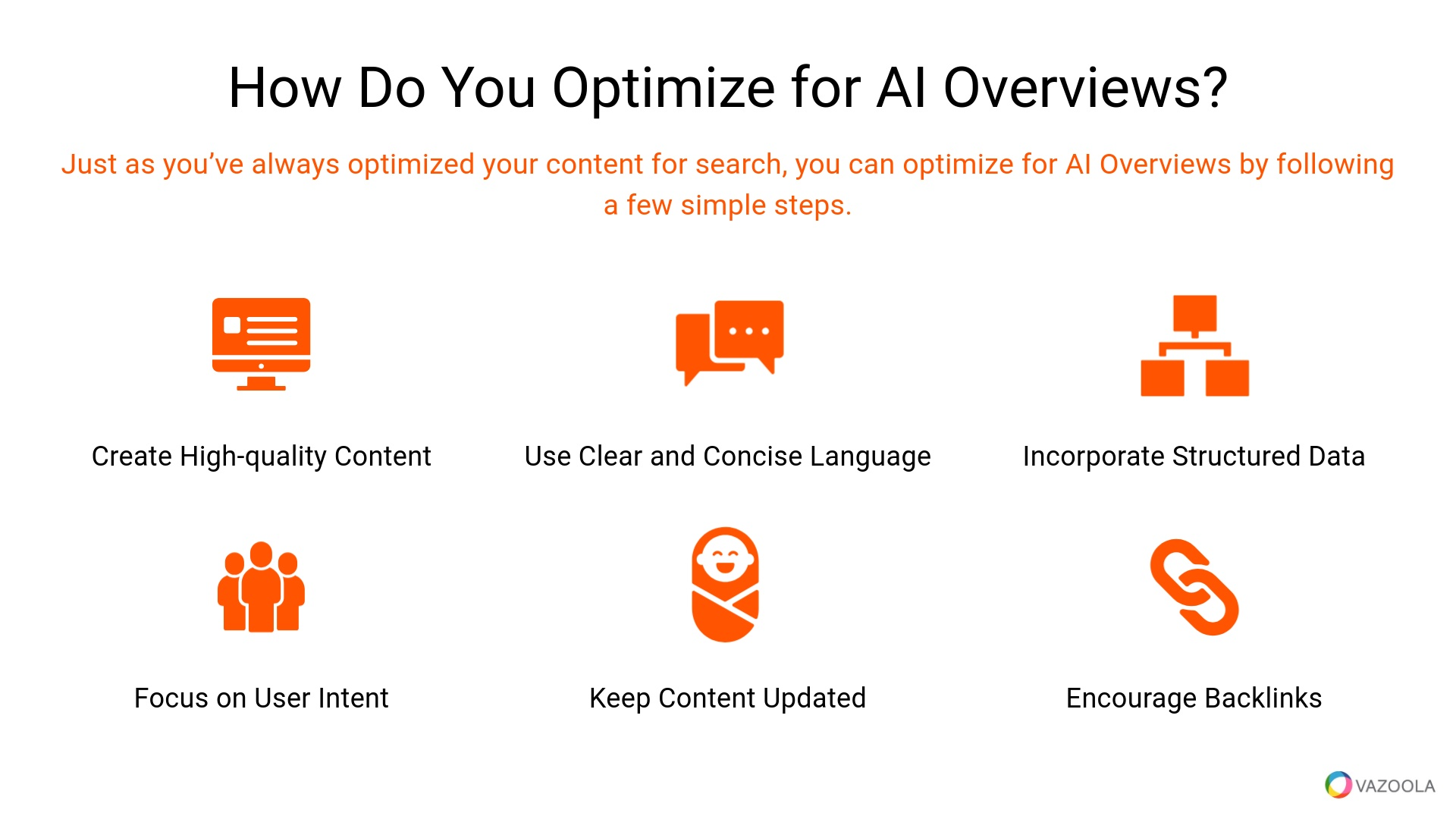
Crawlability, metadata, internal connecting, and back links stay vital for ensuring your content is discoverable. Yet they're simply the starting factor. What's different currently is exactly how option happens. In traditional search, presence implied showing up in a ranked list of links. In AI search, placing still takes place, however it's less about getting whole web pages and more concerning which items of content gain a place in the final solution.
Those pieces are after that put together into solutions, often attracting from numerous resources to develop a single, systematic action. For marketing experts, the obstacle is making certain their material is very easy to recognize and structured in a manner that AI systems can use. If it's not straightened with what assistants are trying to find, it's less most likely to be consisted of in the response, also if it's practically "enhanced." AI assistants don't read a web page top to bottom like an individual would certainly.
New Ways We're Tackling Spammy, Low-quality Content On Search Things To Know Before You Buy
These modular items are what get ranked and constructed right into solutions. Your page title, description, and H1 tag (the high-level HTML heading) are necessary signals AI systems use to translate function and range. Web page titles should plainly summarize what the web content delivers, using all-natural language that straightens with search intent.
Stay clear of key phrase padding and instead discuss value or outcome. H1 tags function as your web content's heading. They must match (or very closely reflect) the web page title while establishing clear expectations for what follows. Consistent placement between title, H1, and description enhances both discoverability and confidence signals for AI systems. Title: "Finest Quiet Dishwashing Machines for Open-Concept Kitchens" H1: "Quietest Dish Washers for Modern Homes" Description: "Explore premier dishwashers developed for open kitchens, including ultra-low decibel scores, energy efficiency, and smart-home compatibility." Headings are HTML tags (
,
) that note where one concept ends and an additional starts.
Get This Report about What Are Backlinks In Seo? - Mailchimp
Instance: Rather of an unclear heading like "Find out more," use "What Makes This Dish Washer More Quiet Than The Majority Of Designs?" Direct concerns with clear responses mirror the method individuals search. Aides can frequently raise these sets verbatim into AI-generated responses. Q: Just how loud is the dishwashing machine? A: It runs at 42 dB, which is quieter than a lot of dish washers on the market.
AI systems do not just scan for key phrases; they look for clear meaning, constant context, and clean formatting. Exact, organized language makes it simpler for AI to classify your material as pertinent and lift it into responses. Compose for intent, not simply keywords. Usage phrasing that straight addresses the inquiries customers ask.
Usage bullets or numbers for listings: Organized format signals clear separation of ideas, which AI can repurpose straight. Bullets work best for key steps, contrasts, or highlights.
4 Easy Facts About Are Backlinks Worth It For Ai Seo (In 2025)? - Viser X Described
Overloaded sentences: Loading several claims right into one line makes it harder for AI (and viewers) to parse definition. Decorative signs: Arrows (), stars (), or strings of spelling (!!!) distract from the real web content. Unanchored claims: Claiming something is "next-gen" or "cutting-edge" without context leaves AI unclear exactly how to categorize it.
In AI search, the same concept uses. AI systems draw out succinct, "snippable" items of content and weave them into solutions. AI can raise a single line or incorporate several bits from across sites into one response. Succinct solutions: One- to two-sentence feedbacks that straight resolve a concern. Structured format: Listings, tables, and Q&A blocks that can be raised cleanly.
Look around you. AI is popping up everywhere, and it's right here to stay. That's no trick? Expert system is also rapidly transforming the means search engines process and provide details. Never ever one to drop behind in the technological race to the top, Google launched AI Overviews in May 2024.
The Basic Principles Of How Ai Really Weighs Your Links (Analysis Of 35,000 Datapoints)
The innovation shows Google's focus on far better search efficiency and higher customer fulfillment. They're an extension of standard search outcomes. Google designed them to offer customers a summarized action to their inquiries. They get all the info they need without visiting numerous sites. These in-depth snippets are made by pulling data from a variety of authoritative resources across the internet.
A person looking on Google may ask, "how to plant a veggie yard." In the past, they would be supplied a checklist of internet sites that answer that inquiry to one extent or another. With AI Overviews, the searcher is rather given with a summary of steps like picking a place, preparing the dirt, and picking the seeds.
Need Professional Tree Surgery Services?
Our certified arborists are ready to help with all your tree care needs. Get expert advice and a free consultation today.
Request Free Quote